Food production is one of the focus areas of the COLOURS Alliance, bringing together education, research and regional engagement to address one of today’s most pressing global challenges. Through interdisciplinary collaboration, COLOURS partners explore sustainable food systems, innovative production methods and the links between food, health, environment and society. Over the past two years, this focus has translated into a wide range of CoLabs, summer schools and collaborative initiatives that connect students, researchers and regional stakeholders across the Alliance.
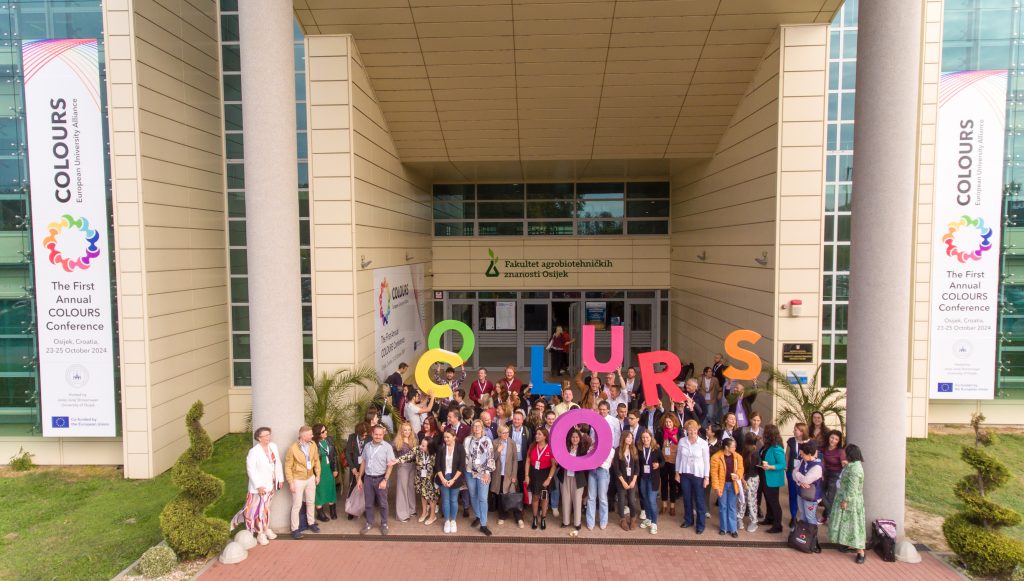
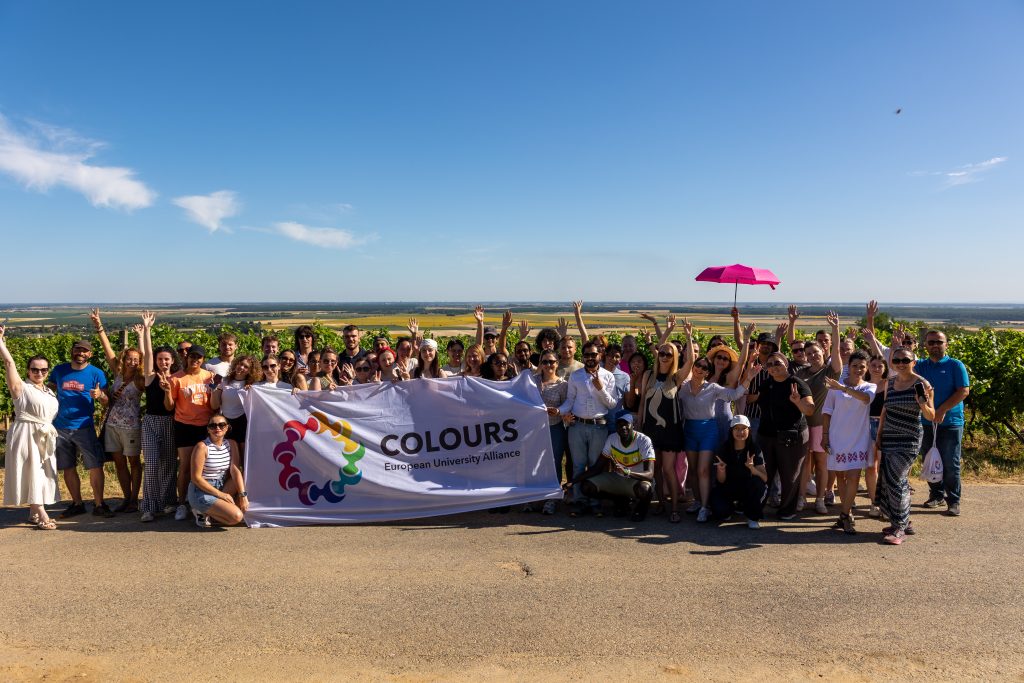
Josip Juraj Strossmayer University of Osijek has organised 2 events related to food production: A CoLab: “Advanced Technologies for Smart Farming” which explored how can we integrate AI tools in agriculture and Summer School: “Food Forward: Green Bites for a Sustainable Urban Future”. This Summer School brought together 70 participants from 18 countries and 21 universities, while the programme focused on sustainable food systems, urban agriculture, green innovation, and strengthening international cooperation in higher education.
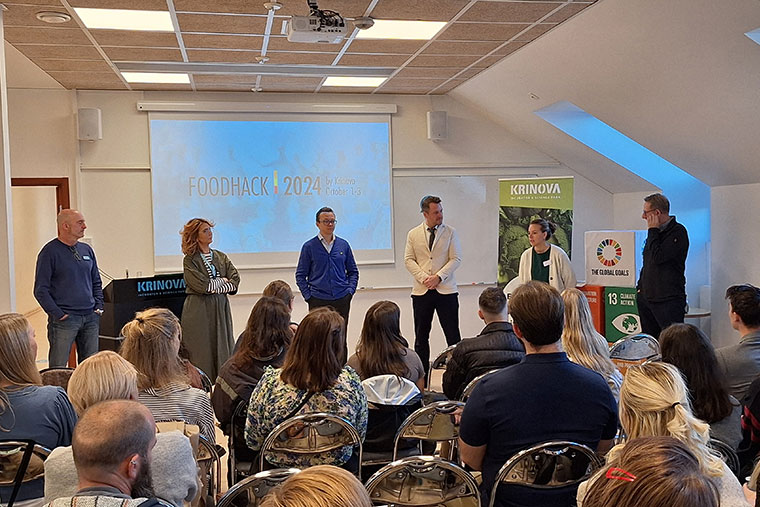
Kristianstad University has organized various events on the theme of food production, notably including a three-day hackathon where 30 participants, including students from gastronomy and computer science programs, worked on reimagining sustainable food management. Researchers from North Macedonia, Poland, and France enriched the discussions, and participants visited local food companies to explore real-world challenges and solutions. Another stand-out is the sustainable Christmas Buffet at the COLOURS Annual Conference, created by gastronomy students, where every dish reflected ecological, social, and economic sustainability, through surplus ingredients, local and small-scale producers, and seasonal offerings.
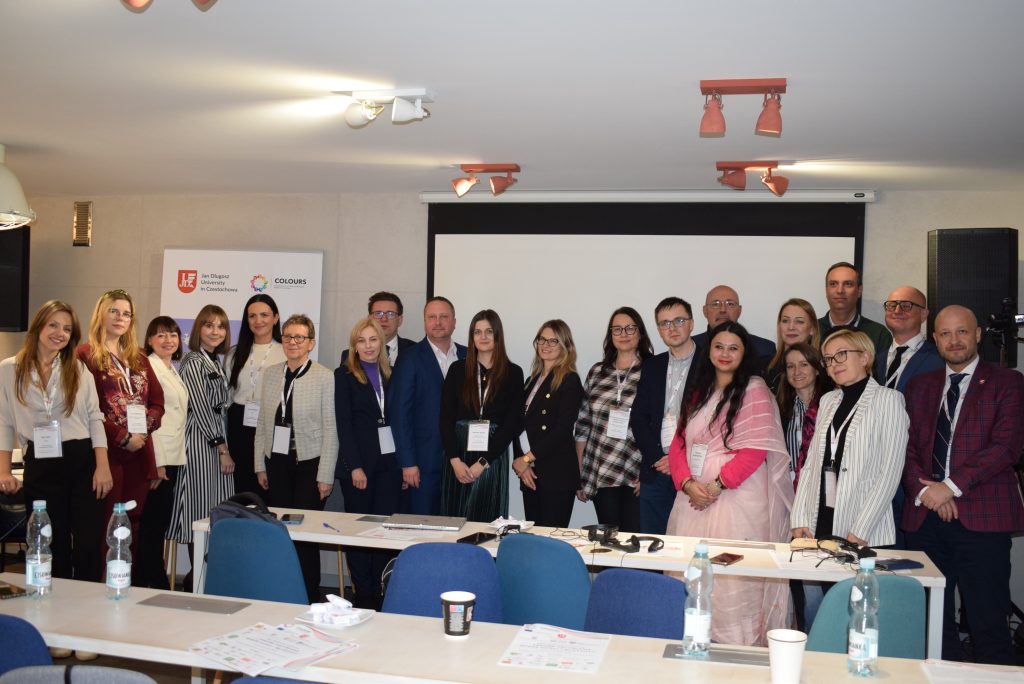
As part of CoLab ‘Healthy Diet for Children‘,Jan Dlugosz University in Czestochowa organised practical field workshops in collaboration with local fruit growers, including ‘Owocowa Przystań’ and ‘Orchards with a Heart’. These sessions focused on the importance of sustainable food sources and healthy eating habits for children and adolescents, involving both experts and local educational institutions.
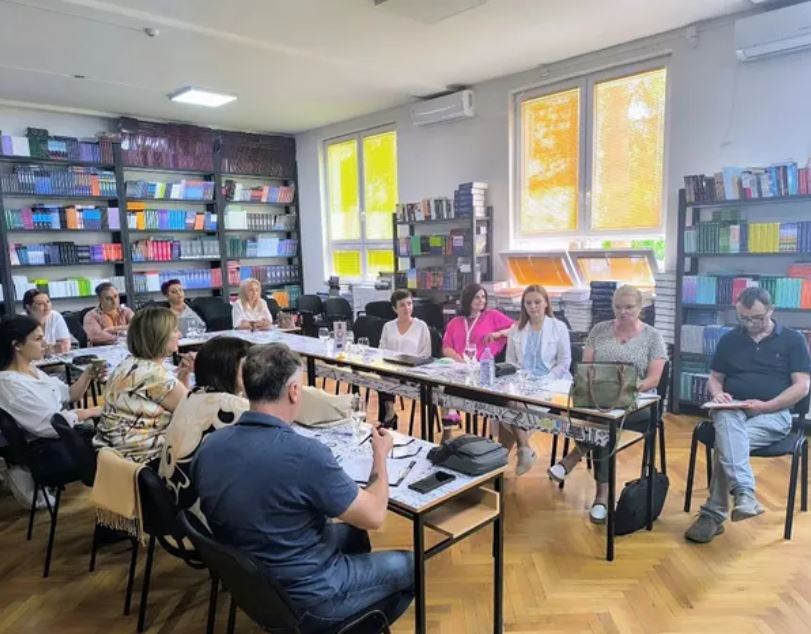
University “St Kliment Ohridski” Bitola organised the CoLab “Smart Approaches to Agriculture and Food Systems for a Sustainable and Healthy World” in Bitola focusing on the future of sustainable food production. The CoLab addressed key global challenges such as climate change, food loss and waste, resource depletion and unhealthy dietary patterns, exploring how food systems can be redesigned to be more resilient, inclusive and environmentally friendly. Through interdisciplinary collaboration and real-world case studies, participants examined sustainable food systems aligned with the UN Sustainable Development Goals, the EU Green Deal and circular economy principles, with a strong emphasis on innovation, efficiency and planetary health.